

ALL Louis Vuitton Patterns EXPLAINED
Louis Vuitton started when he opened his first luggage store. Over 125 years later, Louis Vuitton is the go-to brand for fashion lovers.
All Louis Vuitton patterns and designs add a perfect addition to any style. From their classic monogram, striking Damier, and the modern Vernis, each Louis Vuitton pattern has its own craftsmanship and style.
Even though there have been many collections throughout the years, these patterns have reigned supreme.
Damier Ebene
Damier means “checkerboard,” and Ebene refers to extremely dark brown in French. So together, the famous Damier Ebene is a dark brown shade canvas-based checkerboard.
And contrary to popular belief, the Damier canvas predates the Monogram.
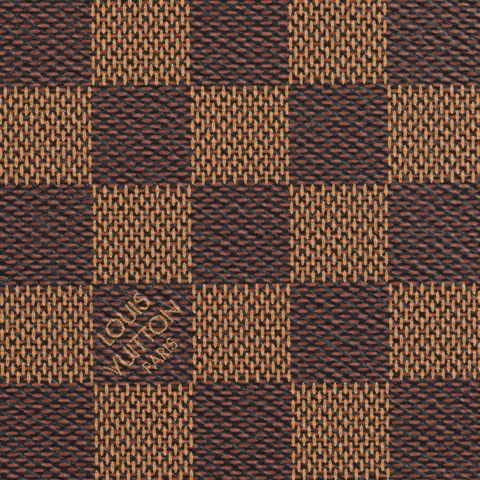
Shop for Louis Vuitton Damier Ebene
It was first introduced in 1888 and later reimagined into the Damier Ebene in 1988. This pattern features alternating squares of two shades of brown, resembling a chessboard.
The Damier Ebene is known for its understated elegance, without prominently displaying the Louis Vuitton logo. It's interesting to consider that a game you played could influence such a historical pattern.
Damier Azur
Introduced in 2006, the Damier Azur embraces the French Riviera colors. The Damier Azur pattern captures its essence with alternating white and navy-blue squares. With ‘Azur’ meaning a blue tone.

Shop for Louis Vuitton Damier Azur
It has a lighter color palette compared to the Monogram and Damier Ebene, giving it a refreshing appeal.
The Damier Azur instantly became popular among Louis Vuitton fans, showcasing the brand's ability to create patterns that evoke a sense of summer charm.
Damier Graphite
This Louis Vuitton pattern was introduced in 2008 and offers a darker but sleek and sophisticated look to the classic Damier check pattern.

Shop for Louis Vuitton Damier Graphite
The design features a black and gray checkerboard pattern, providing a versatile and gender-neutral look. The Damier Graphite collection includes a range of products such as handbags, wallets, accessories, and shoes.
This twist helped keep Louis Vuitton's style chic and up to date.
Louis Vuitton Monogram
The Louis Vuitton Monogram pattern was introduced in 1896 and is the brand’s most common design you will see.

Shop for Louis Vuitton Monogram
It features interlocking letters "L" and "V" with a floral design, created by Louis Vuitton's son, Georges Ferréol Vuitton.
The Monogram is made from durable and water-resistant coated canvas and is commonly used for iconic bags like the Speedy, Neverfull, and Alma. These bags often have leather trims and handles, adding to their authenticity. The Monogram's popularity stems from its association with prestige and sophistication.
Reverse Monogram
The Reverse monogram is just like the regular monogram, but the colors are swapped.
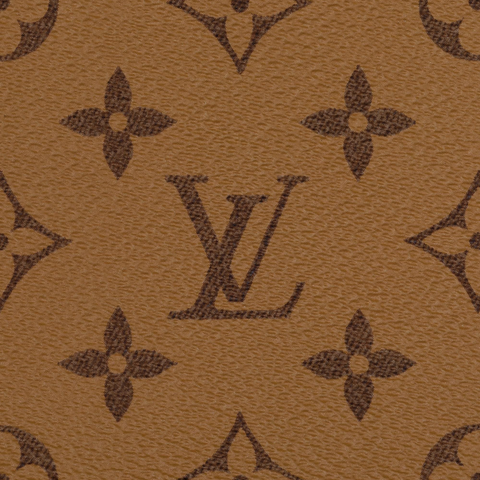
Shop for Louis Vuitton Reverse Monogram
It came out in 2016, with a lighter background and a darker LV logo and flowers. Overall, it gives a fresher and more contemporary look while still being recognizable.
It's used on various Louis Vuitton products like bags, wallets, and accessories, as well as my favorite bag, the Reverse Mono Pochette Metis.
Monogram Eclipse
The Monogram Eclipse is a black and gray variation of the iconic Louis Vuitton Monogram pattern.
 Shop for Louis Vuitton Monogram Eclipse
It is a black coated canvas with the LV logo and floral motifs in a dark gray shade, creating a subtle and sophisticated look.
There is a Reverse Monogram Eclipse pattern. But instead of switching the colors, they go for a bluer grey color scheme with a grey background and a darker shade of the monogram.
It gives the same vibes as the Damier Graphite pattern. But something about the monogram in such colors makes it more unique, while still embedding the Louis Vuitton classic.
Shadow Monogram
The LV monogram is still going strong as it’s in the Shadow Monogram pattern.
 Shop for Louis Vuitton Shadow Monogram
This pattern uses black leather with its iconic monogram embossed or pressed into the material, leaving a satisfying textured look and feel with a matte finish.
It gives a sleek, sophisticated look while showing off the brand in a subtle tone.
Vernis pattern
Louis Vuitton unveiled the Vernis pattern in 1998 for a more contemporary take on the Monogram.
It’s similar to Shadow Monogram, but with a glossy finish.

Designed by Marc Jacobs, it features the signature Monogram embossed on high-quality calfskin leather with a patent finish. The Vernis bags often have a subtle glitter effect, adding an extra touch of glamor.
The Vernis pattern comes in many different colors, allowing you to match any Louis Vuitton bag.

Epi pattern
The Epi Louis Vuitton pattern was introduced in 1920 when George Vuitton was in search of a durable material.

It was originally used for a tea case trunk, but the Epi leather became part of Louis Vuitton’s handbag.
It has a textured horizontal pattern on pressed leather, coated with a protective finish. It’s extremely durable with a sturdier structure.

It originally came in 6 different colors, but Louis Vuitton added more later.
Murakami Louis Vuitton patterns
In the early 2000s, Murakami Louis Vuitton patterns and designers were everywhere. And while this pattern is a discontinued Louis Vuitton, you can still find these on the preloved market.

It was one of Louis Vuitton Japanese artist collabs where Takaishi Murakami worked with LV to come up with two iconic patterns.
The Multicolor Monogram basically became part of the regular Louis Vuitton Pattern designs to pick for your handbags.
There were two different designs to choose from: 33 different LV logos and monogram flower colors on top of a white or black background.
This Louis Vuitton pattern was featured on Louis Vuitton’s popular bags from the Speedy, Alma, and Pochette Accessoires.
In closing
Louis Vuitton's iconic patterns have played a significant role in shaping the brand's legacy. Each pattern shows its uniqueness with a touch of familiarity.
Louis Vuitton knew exactly what they were doing, where they made these iconic styles.
Each new twist takes us by surprise, how such a small detail like switching the colors like reverse monogram or simply changing the material can have such a big effect in the world of fashion! Which one is your favorite? I know mine.